Showing posts with label lawncareexpertnearme. Show all posts

Thursday, July 24, 2025

Irrigation Systems FAQ


Irrigation Systems FAQ – Earth’s Living Landscaping

Serving Conway, SC – Call 843-602-9872


1. What is an irrigation system, and why do I need one?
An irrigation system is a method of delivering controlled amounts of water to your landscape, lawn, or garden. It ensures that your plants get the right amount of water at the right time, improving plant health and reducing water waste. In Conway’s hot summers, an irrigation system can be essential for a lush, green lawn.


2. How does an automatic irrigation system work?
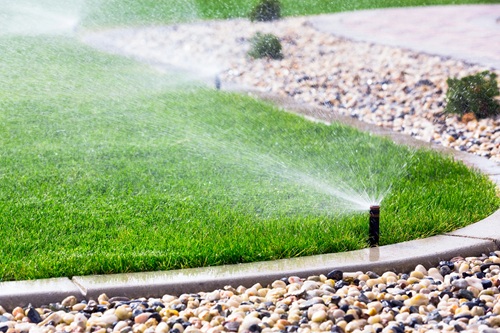
Automatic irrigation systems use a timer and network of underground pipes, valves, and sprinkler heads to water your lawn or garden on a set schedule. You can program them to water specific zones based on sun exposure, plant type, or soil conditions. Some systems can even detect rainfall and adjust watering accordingly.


3. What are the different types of irrigation systems?
There are several types, including sprinkler systems, drip irrigation, soaker hoses, and rotor systems. Sprinklers are great for lawns, while drip systems are ideal for gardens and flower beds. Our team at Earth’s Living Landscaping can help choose the best option based on your yard’s unique layout and watering needs.


4. How often should my irrigation system run?
This depends on factors like the time of year, rainfall, soil type, and plant needs. Typically, 2-3 times per week is sufficient in the growing season. Overwatering can lead to fungus and root rot, so it’s crucial to tailor your schedule properly—something we specialize in for Conway-area properties.


5. Can an irrigation system help conserve water?
Yes! Modern irrigation systems are designed to reduce water waste by delivering precise amounts of water directly where it’s needed. Using timers, rain sensors, and drip irrigation methods can save up to 50% more water compared to manual watering. This is especially important in areas with water restrictions or hot climates.


6. What are the benefits of professional irrigation installation?
A professionally installed system ensures even water coverage, efficient design, and long-term durability. At Earth’s Living Landscaping, we carefully plan your system to meet zoning requirements, avoid overspray, and maximize water use. DIY systems often lack this precision and can lead to uneven watering or leaks.


7. How long does it take to install an irrigation system?
Most residential installations can be completed in 1 to 3 days depending on the size of your lawn, soil conditions, and layout complexity. We take care to minimize disturbance to your property and provide a clean, professional installation from start to finish.


8. Will an irrigation system increase my home’s value?
Absolutely. A healthy, green lawn maintained by an irrigation system adds curb appeal and can boost property value. Prospective buyers often see automated irrigation as a desirable feature, knowing they won’t have to spend time or effort manually watering the yard.


9. What kind of maintenance does an irrigation system require?
Regular maintenance includes checking for leaks, adjusting spray heads, cleaning filters, and programming seasonal watering schedules. We recommend a check-up at the beginning and end of each season. Earth’s Living Landscaping also offers maintenance plans to keep your system running efficiently year-round.


10. Can irrigation systems be used for gardens and flower beds too?
Yes. Drip irrigation and micro-sprayers are excellent choices for gardens, flower beds, and shrubs. These systems deliver water slowly and directly to the roots, minimizing evaporation and runoff, which is perfect for preserving water and keeping your plants healthy and vibrant.


11. Are smart irrigation systems worth the investment?
Smart irrigation systems use weather data, soil sensors, and Wi-Fi controllers to adjust watering automatically. They help save water, reduce bills, and optimize plant care. While they cost more upfront, they pay off in long-term savings and convenience—especially helpful in South Carolina’s variable climate.


12. What happens to my irrigation system during winter?
In Conway, SC, freezing temperatures are rare but possible. It’s a good idea to winterize your irrigation system by shutting it off, draining the water lines, and protecting exposed parts. Earth’s Living Landscaping can assist with proper winterization and spring start-up services to prevent damage and costly repairs.


13. Can I customize which parts of my yard get watered?
Yes. Irrigation systems can be divided into zones so you can water different areas independently. For example, you can water the lawn more frequently than your shrubs or flower beds. We design systems with flexibility in mind so you can adjust based on plant type, soil, or sun exposure.


14. How do I know if my current irrigation system needs repair?
Common signs include dry patches, water pooling, low pressure, or high water bills. If your system isn’t performing as it should, we can inspect it for clogs, leaks, or damaged components. Timely repairs help save water, prevent landscape damage, and keep everything running smoothly.


15. Why should I choose Earth’s Living Landscaping for irrigation services?
We’re a trusted local landscaping company in Conway, SC, with years of experience in irrigation system design, installation, and maintenance. We tailor every system to your property’s unique needs and offer honest, professional service. Your satisfaction—and a beautiful lawn—is our top priority.

Weed Control FAQ


🌱 Weed Control FAQs – Earth’s Living Landscaping, Conway, SC

1. Why is weed control important for my lawn?
Weeds compete with your grass for nutrients, sunlight, and water. Left untreated, they can overtake healthy turf, leading to patchy, uneven lawns. Proper weed control keeps your yard looking beautiful and ensures your grass stays strong, healthy, and free of invasive plant species.

2. What types of weeds are common in Conway, SC?
Common weeds in our region include crabgrass, clover, nutsedge, dandelions, and broadleaf plantain. These thrive in the warm, humid climate. At Earth’s Living Landscaping, we identify the specific weeds in your lawn and use targeted treatments to eliminate them effectively and prevent their return.

3. What is pre-emergent weed control?
Pre-emergent weed control involves applying herbicides before weeds germinate. This is typically done in early spring or fall. It creates a barrier in the soil that prevents weed seeds from sprouting. It's a proactive approach and one of the most effective ways to stop weeds before they start.

4. What is post-emergent weed control?
Post-emergent weed control is used after weeds have already appeared. These herbicides target the visible weeds and kill them without harming your grass when applied correctly. At Earth’s Living Landscaping, we use selective post-emergents to treat problem areas while preserving healthy turf.

5. How often should I apply weed control treatments?
Weed control is most effective when applied consistently throughout the growing season. Typically, we recommend treatments every 6–8 weeks, depending on lawn conditions and the types of weeds present. Our maintenance plans ensure year-round weed suppression tailored to Conway’s unique climate.

6. Can I control weeds naturally without chemicals?
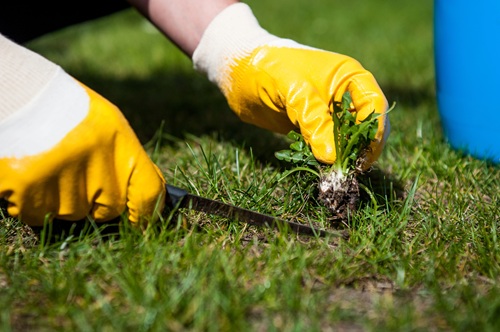
Yes, natural methods like mulching, hand-pulling, mowing high, and maintaining thick, healthy turf can help suppress weeds. However, natural methods may not be enough for aggressive or widespread infestations. We offer eco-friendly weed control solutions that strike the right balance between safety and effectiveness.

7. Are weed control products safe for pets and children?
We use professional-grade, EPA-approved products that are safe when applied properly. We recommend keeping pets and children off the treated area until it dries—usually within a few hours. We also offer organic and pet-friendly weed control options if you prefer a more natural approach.

8. Why do weeds keep coming back after treatment?
Weeds can return due to untreated seeds in the soil, missed follow-up applications, or poor lawn health. A one-time treatment rarely eliminates weeds permanently. That’s why Earth’s Living Landscaping uses a seasonal weed control plan paired with proper lawn care to ensure long-term results.

9. How can I prevent weeds in my flower beds?
Weeds in flower beds can be prevented with a combination of mulch, pre-emergent herbicides, and hand-weeding. Mulch smothers weeds and retains moisture. We carefully treat around flowers and shrubs to ensure weeds are eliminated without damaging your plants. Regular maintenance is key to keeping beds clean.

10. What’s the best time of year to apply weed control in Conway?
Early spring and fall are the best times for pre-emergent treatments. Post-emergent weed control is applied during the growing season as needed. Our local knowledge ensures we apply the right product at the right time for Conway’s climate and seasonal weed patterns.

11. Will weed control harm my lawn?
When applied correctly, weed control will not harm your lawn. We use selective herbicides that target only the weeds, leaving your grass untouched. Our trained technicians carefully assess your lawn type and apply safe, precise treatments to avoid any damage to desirable plants.

12. What is selective vs. non-selective weed control?
Selective weed killers target specific types of weeds without harming grass. Non-selective herbicides kill all vegetation they touch. We use selective products for lawns and non-selective ones in areas like driveways or sidewalks. Earth’s Living Landscaping knows which product to use for every situation.

13. Can mowing help reduce weeds?
Yes, mowing high helps your grass grow thick and healthy, which naturally chokes out weeds. Scalping your lawn too short weakens it and allows weeds to thrive. We include proper mowing as part of our weed control strategy to keep your lawn dense and strong.

14. How does fertilization work with weed control?
Fertilization strengthens your grass, helping it outcompete weeds. A well-fed lawn has thicker roots and denser blades, reducing open spaces where weeds can grow. We often pair fertilization with weed control treatments to promote overall lawn health and reduce the chance of future weed growth.

15. Do you offer weed control as part of a lawn care plan?
Yes! Earth’s Living Landscaping offers full-service lawn care plans that include weed control, fertilization, mowing, edging, and more. These packages ensure your lawn is maintained properly throughout the year for optimal health, appearance, and weed prevention. Call us today to learn more!

Tuesday, July 22, 2025

Fertilizing Services FAQ


Fertilizing Services FAQs – Earth’s Living Landscaping

1. Why is lawn fertilization important?
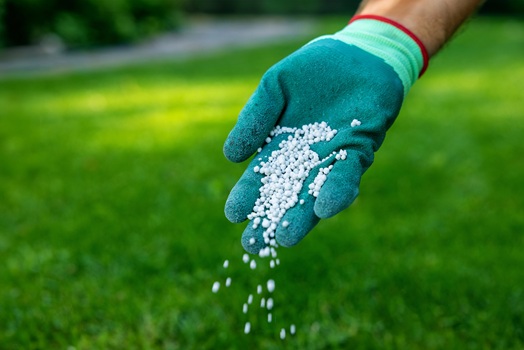
Fertilization gives your lawn the essential nutrients it needs to grow thick, green, and healthy. It improves root strength, enhances color, increases resistance to disease, and helps crowd out weeds. A regular fertilization schedule ensures your lawn stays vibrant and resilient year-round.

2. How often should I fertilize my lawn?
Most lawns benefit from fertilization four to six times per year, depending on grass type and soil conditions. Warm-season grasses in Conway, SC typically require fertilization in early spring, summer, and fall. Our team customizes a schedule based on your lawn’s unique needs.

3. What nutrients are in lawn fertilizer?
Fertilizers contain three main nutrients: nitrogen (N), phosphorus (P), and potassium (K). Nitrogen promotes lush green growth, phosphorus supports root development, and potassium enhances overall health. A balanced blend tailored to your soil ensures maximum effectiveness and a healthy, beautiful lawn.

4. When is the best time to fertilize?
The best time to fertilize depends on your grass type. For warm-season grasses like Bermuda and Zoysia, fertilize in late spring through summer. Fall feeding strengthens roots for winter. Earth’s Living Landscaping provides seasonal fertilization plans based on optimal timing for Conway lawns.

5. Can over-fertilizing damage my lawn?
Yes, over-fertilizing can burn your grass, cause excessive growth, and lead to nutrient runoff. It may even harm the environment. That’s why it’s important to apply the right type and amount of fertilizer. We use precision techniques to nourish your lawn without overdoing it.

6. How do I know what fertilizer my lawn needs?
A soil test can determine your lawn's nutrient levels and pH balance. Based on the results, we select the correct fertilizer blend. Earth’s Living Landscaping offers soil testing and expert recommendations to ensure your lawn gets exactly what it needs to thrive.

7. What’s the difference between organic and synthetic fertilizers?
Organic fertilizers are derived from natural sources like compost, manure, or bone meal. They improve soil health over time. Synthetic fertilizers are fast-acting and precisely formulated. We offer both options and help you choose the right one based on your lawn goals and preferences.

8. Will fertilizer help with weed control?
Fertilizer doesn't directly kill weeds, but it strengthens your lawn so it can naturally crowd them out. A thick, healthy lawn leaves little room for weeds to grow. We combine fertilization with pre-emergent and post-emergent weed control for the best results.

9. Is it safe to fertilize during drought or heat?
Applying fertilizer during extreme heat or drought can stress your lawn and lead to damage. It’s best to water the lawn thoroughly before and after fertilizing. We monitor weather and soil conditions to apply fertilizer safely and effectively for Conway’s climate.

10. Do you offer fertilization as part of a lawn care package?
Yes! Our lawn care packages include fertilization, mowing, edging, weed control, and more. These full-service plans keep your yard looking great without the hassle. Call 843-602-9872 to learn about our convenient and affordable packages.

11. How soon can I mow after fertilizing?
It’s best to wait 24 to 48 hours after fertilizing before mowing. This gives the nutrients time to absorb into the soil. Mowing too soon can reduce fertilizer effectiveness. We’ll guide you on best practices to protect your lawn investment.

12. Is it safe for pets and children after fertilizing?
Most fertilizers are safe after drying or being watered in. We recommend keeping pets and children off the lawn for 24 hours after application. We use pet-friendly and eco-conscious products whenever possible to ensure safety and peace of mind.

13. How does fertilizing affect lawn color?
Proper fertilization promotes a deep, vibrant green lawn. Nitrogen-rich blends stimulate chlorophyll production, which enhances color. If your lawn looks pale or yellowish, it may need a nutrient boost. We customize blends to help your lawn look lush and beautiful.

14. Can I fertilize my lawn myself?
Yes, but professional fertilization ensures the right products, timing, and techniques are used. DIY fertilizing can lead to over- or under-application, wasted product, and disappointing results. Let our experienced team take the guesswork out and give your lawn the expert care it deserves.

15. Do you service commercial properties as well?
Absolutely. We provide fertilization and full lawn care for residential and commercial properties throughout Conway, SC and surrounding areas. A well-maintained landscape boosts curb appeal and property value. Contact Earth’s Living Landscaping to create a plan tailored to your business needs.

Monday, July 21, 2025

Lawn Care FAQ


1. How often should I mow my lawn in Conway, SC?
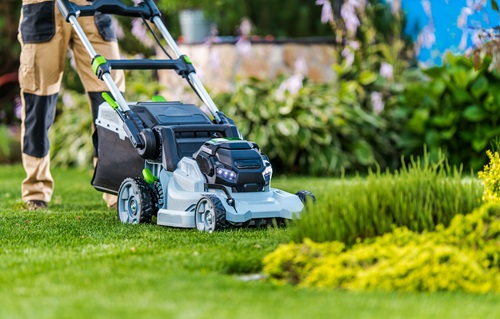
Grass should typically be mowed once a week during the growing season. In hotter months, you may mow every 5–7 days. Avoid cutting more than one-third of the grass height to maintain healthy growth and a lush, green lawn.

2. What’s the best time to water my lawn?
The best time to water is early morning (between 5–9 a.m.). This allows the grass to absorb moisture before the heat evaporates it. Watering at night can lead to fungus and disease due to prolonged moisture on the blades.

3. How long should I water my lawn?
Your lawn needs about 1 to 1.5 inches of water per week. Water deeply 2–3 times per week for 20–30 minutes per zone, depending on your system. Deep watering encourages stronger roots and drought resistance.

4. When should I fertilize my lawn?
Fertilize in early spring and again in late summer or early fall. Use a balanced fertilizer suited for your grass type. Avoid over-fertilizing, as it can burn the lawn and lead to excessive growth and thatch buildup.

5. What type of grass grows best in Conway, SC?
Warm-season grasses like Centipede, Zoysia, and Bermuda thrive in Conway. These grasses tolerate heat and humidity well. Earth’s Living Landscaping can help you choose the best option based on sunlight, usage, and soil condition.

6. How do I control weeds in my lawn?
Weed control starts with healthy lawn practices—proper mowing, watering, and fertilization. Use pre-emergent herbicides in early spring and spot-treat with post-emergents as needed. A thick, healthy lawn naturally crowds out most weeds.

7. Why does my lawn have brown patches?
Brown patches can be caused by drought, fungus, pests, or mowing too short. Identify the cause to treat properly. Our team offers expert lawn inspections and treatments to restore your lawn’s health and appearance.

8. Do I need to aerate my lawn?
Yes, especially if your lawn sees heavy use or has clay soil. Aeration loosens compacted soil and allows air, water, and nutrients to reach the roots. We recommend annual aeration in the fall or spring for optimal results.

9. What is lawn dethatching?
Dethatching removes the thick layer of dead grass (thatch) between the soil and live grass. Excess thatch prevents water and nutrients from penetrating the soil. Dethatching helps improve lawn health and is typically done in early spring or fall.

10. Can you help with lawn drainage issues?
Yes! Poor drainage can damage your lawn and foundation. We offer grading, French drains, and custom drainage solutions to redirect water away from your yard. Contact us for a consultation at 843-602-9872.

11. How do I prepare my lawn for spring?
Rake debris, test soil pH, apply pre-emergent weed control, and start mowing when the grass begins growing. Spring is also a good time to fertilize and aerate. We can customize a plan for your lawn’s spring revival.

12. What’s the difference between sod and seed?
Sod offers instant results but costs more. Seeding is budget-friendly but takes longer to establish. Sod is ideal for quick fixes, while seed works well for large areas and less foot traffic. We’ll help you choose the right option.

13. How do I keep pests out of my lawn?
Maintain a healthy lawn to deter pests. Watch for signs like brown spots or chewed blades. Treatments like insecticides or natural pest control can help. Earth’s Living Landscaping offers safe and effective pest management plans.

14. Should I mulch or bag grass clippings?
Mulching returns nutrients to your lawn and reduces landfill waste. Only bag if the clippings are too thick or if weeds are present. Mulched clippings break down quickly and improve soil health over time.

15. Do you offer lawn care maintenance packages?
Yes! We provide full-service lawn care packages including mowing, edging, fertilization, weed control, and seasonal cleanup. Let us take the hassle out of yard work—call Earth’s Living Landscaping at 843-602-9872 for a free estimate.